News
- Please follow our WeChat Official Account for the latest news!
- Check out our GitHub repos.
- Explore our models on Hugging Face.
Call for Papers
Recent advances in LFMs are rapidly expanding the scope of intelligent applications, yet the ubiquitous accessibility of this intelligence is constrained by the sheer scale of LFMs that exceed the capabilities of edge devices and communication networks. The AI Flow framework aims to tackle this bottleneck through a paradigm shift from the transmission of data bits to adaptive cooperation across hierarchical device-edge-cloud networks, with key innovations including large–small familial models, generative data compression, and multi-agent systems. These advances pave the way for scalable, low-latency, and ubiquitous intelligent services, offering new problem formulations and opportunities for the convergence of information theory, communications, and machine learning.
Important Dates
- Workshop Paper Submission Deadline: 10 August 2026
- Paper Acceptance Notification: 20 September 2026
- Camera Ready: 30 September 2026
Submission Guidelines
- Submission site: https://edas.info/newPaper.php?c=35323&track=137913
- Format guidelines: https://globecom2026.ieee-globecom.org/authors/submission-guidelines
- Template: https://www.ieee.org/conferences_events/conferences/publishing/templates.html
Scope and Topics of Interests
As future communication systems evolve toward supporting large-scale AI services, conventional bit-level communication abstractions are insufficient to capture the requirements of task-oriented, collaborative, and adaptive intelligence delivery. This workshop aims to bring together researchers and practitioners from information theory, machine learning, and network architecture to examine both the fundamental limits and practical system designs underpinning this transition. Topics of interest include, but are not limited to:
- Information theory and large language models
- Information-theoretic limits on neural codec and data compression
- Lightweight foundation models and adaptation techniques for edge devices
- Distributed fine-tuning of large foundation models over communication networks
- Cooperative inference methods across the device-edge-cloud architecture
- Correlation between compression and intelligence for large foundation models
- Generative model-assisted ultra-low bitrate transmission for multimodal data
- Task-oriented communications for cooperative inference of large foundation models
- Multi-agent systems and ensemble learning for large foundation models
- Resource allocation and coordination for the device-edge-cloud architecture
- Effective communication protocols for cooperative inference and ensemble learning
- Privacy and security assurance in distributed large foundation models
- Case studies and practical implementations of the device-edge-cloud cooperation
Workshop Organizers
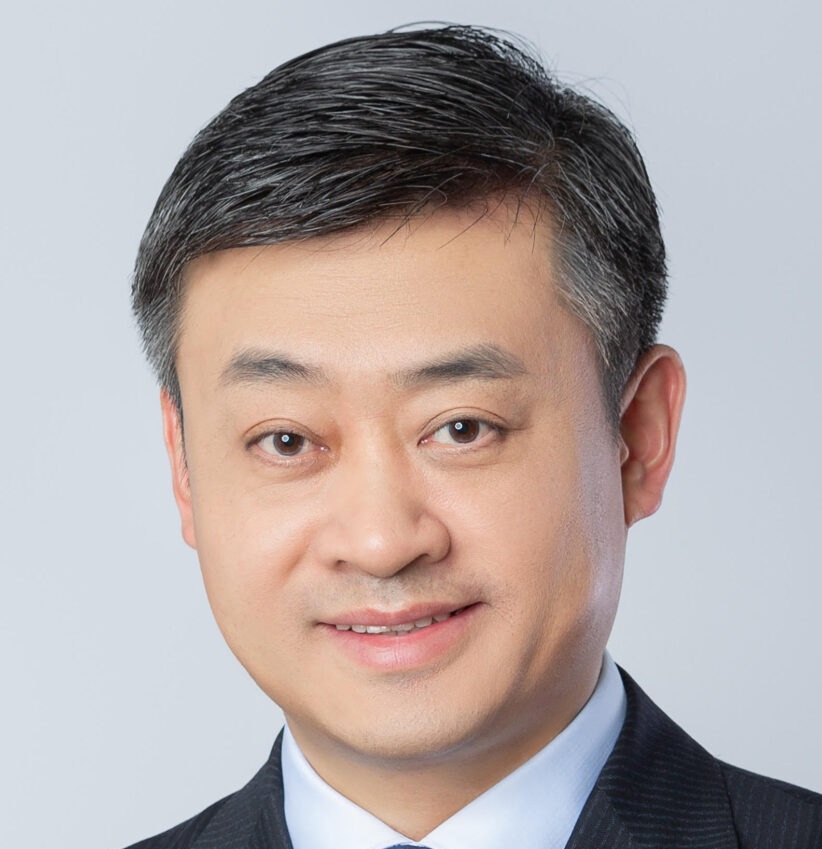
Prof. Xuelong Li
Xuelong Li (IEEE Fellow) is the CTO and Chief Scientist of China Telecom (Fortune Global 500), where he founded the Institute of Artificial Intelligence (TeleAI) of China Telecom. He is also a "National Distinguished Expert" and a full professor with The Northwestern Polytechnical University, where he founded the School of Artificial Intelligence, Optics and Electronics (iOPEN), and the Key Laboratory of Intelligent Interaction and Applications of the Ministry of Industry and Information Technology of China. Before this, he was a full professor with the Chinese Academy of Sciences, a Reader in Cognitive Computing with The University of London, U.K., and a Lecturer in Computer Science at The University of Ulster, U.K. His papers were cited 90,000+ times by researchers from 2,000+ institutes in 90+ countries. He is a guest editor of 15 special issues, and an editor of academic journals, including Pattern Recognition (Elsevier)(as an Associate Editor-in-Chief), IEEE Trans. on Image Processing (IEEE), and ACM Trans. on Knowledge Discovery from Data (ACM), etc. He has been a chair of conferences for 80+ times, e.g., recently a Sponsorship Chair of AAAI, a PC Chair of IEEE ICME, etc., and he was/is a PC member for 400+ times.
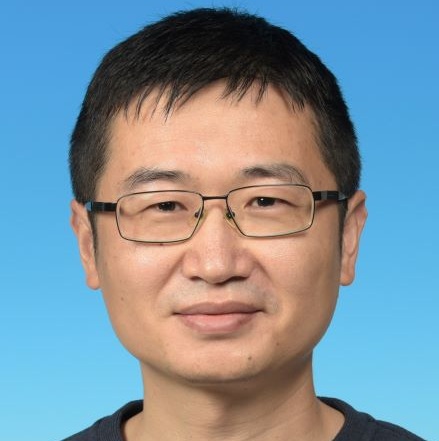
Prof. Jun Zhang
Jun Zhang (IEEE Fellow) received the Ph.D. degree in Electrical and Computer Engineering from the University of Texas at Austin in 2009. He is a Professor in the Department of Electronic and Computer Engineering at the Hong Kong University of Science and Technology. He is an IEEE Fellow and was an IEEE ComSoc Distinguished Lecturer (2023-2024). His research interests include mobile edge computing, edge AI, and cooperative AI. Dr. Zhang co-authored/co-edited five books including "Fundamentals of LTE" (Prentice-Hall, 2010). He is a co-recipient of several best paper awards, including the 2025 IEEE Communications Society Katherine Johnson Young Author Best Paper Award, the 2021 Best Survey Paper Award of the IEEE Communications Society, etc. He is currently an Area Editor of IEEE Transactions on Wireless Communications (leading the area of Machine Learning and Artificial Intelligence) and IEEE Transactions on Machine Learning in Communications and Networking (leading the area of Distributed Learning and AI at the Network Edge). He served as a symposium co-chair for IEEE Wireless Communications and Networking Conference (WCNC) 2011 and 2026, IEEE International Conference on Communications (ICC) 2021, and a TPC co-chair for The IEEE Hong Kong 6G Wireless Summit 2023, 2024.
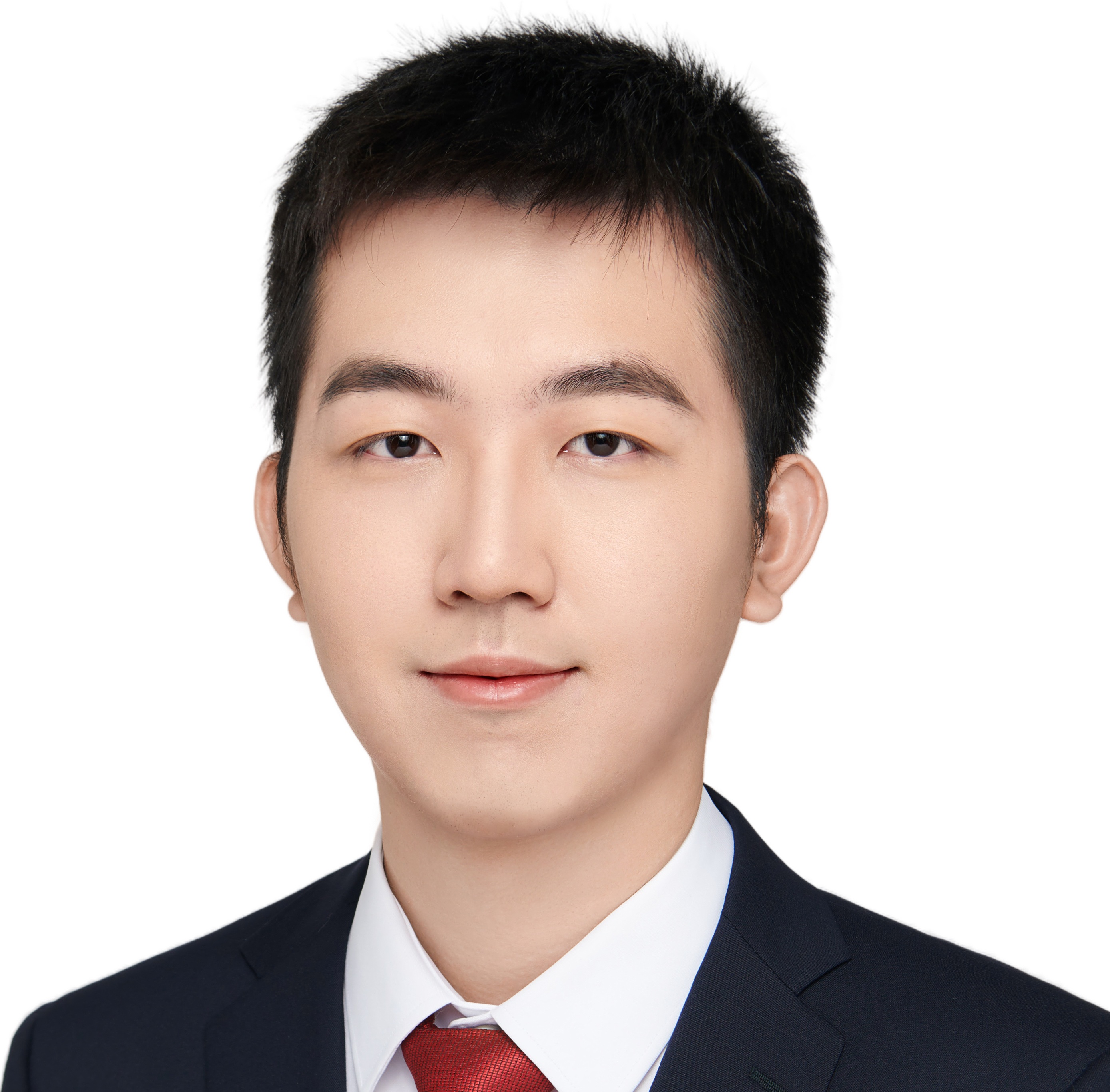
Dr. Jiawei Shao
Jiawei Shao is currently a research scientist at the Institute of Artificial Intelligence (TeleAI), China Telecom. He is a principal investigator leading the AI Flow group. His research focuses on a wide range of topics, including large language models, edge AI, generative AI, and agentic AI. He received his Ph.D. from the Hong Kong University of Science and Technology (HKUST). He is a recipient of several awards, including the IEEE Communications Society Katherine Johnson Young Author Best Paper Award and the HKUST SENG PhD Research Excellence Award. He has published more than 40 research papers in top-tier journals and conferences, including Nature Communications and Nature Machine Intelligence. He is selected for inclusion in the World's Top 2% Scientists list for single-year impact in 2024. He has been a guest editor of 2 special issues and a reviewer for top-tier journals/conferences, including IEEE International Symposium on Information Theory (ISIT), IEEE Journal on Selected Areas in Communications (JSAC), IEEE Transactions on Wireless Communications (TWC), Annual Conference on Neural Information Processing System (NeurIPS), and International Conference on Machine Learning (ICML).
Technical Program Committee Members

Yuyi Mao
Macau University of Science and Technology
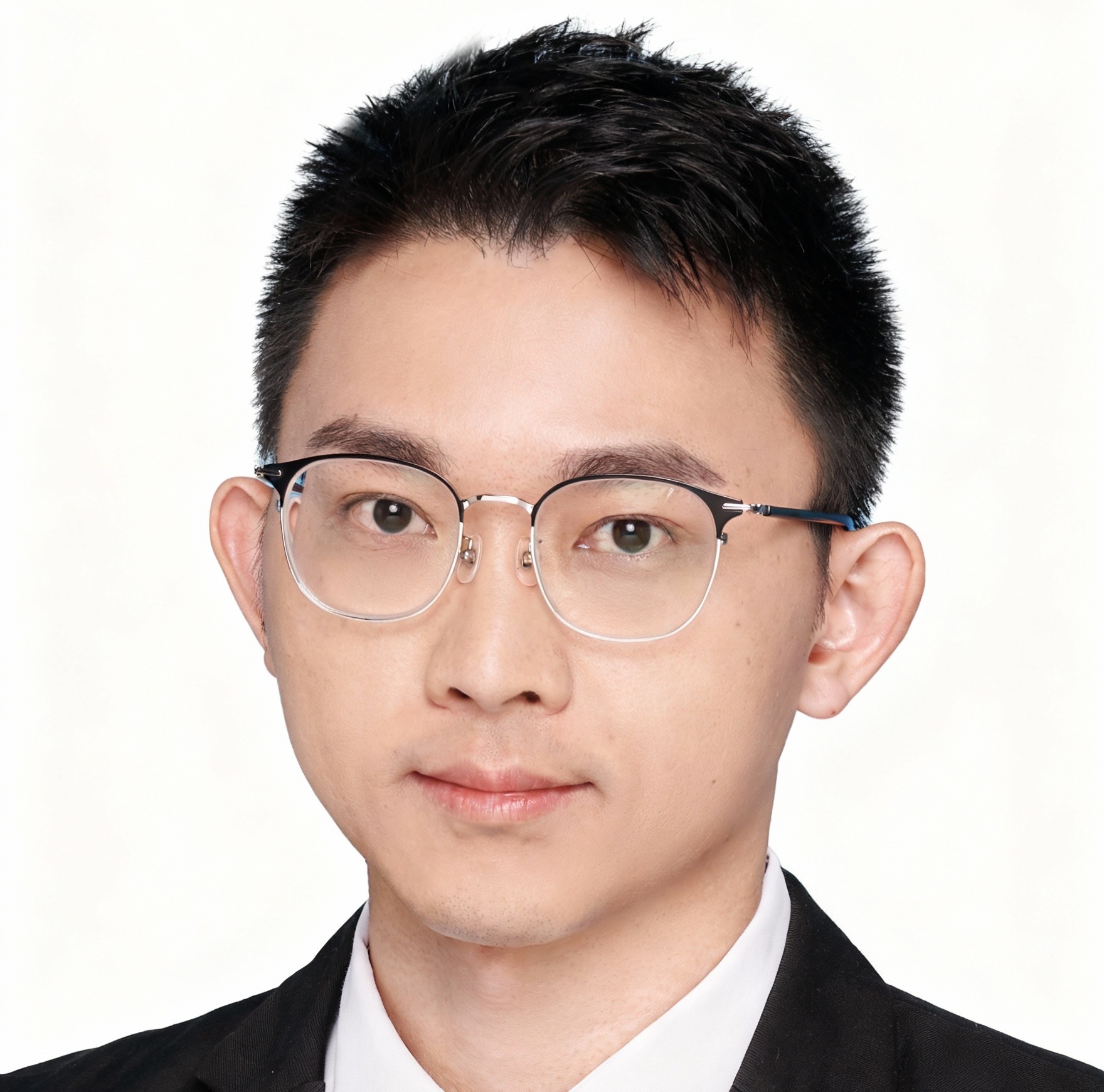
Zehong Lin
Lingnan University
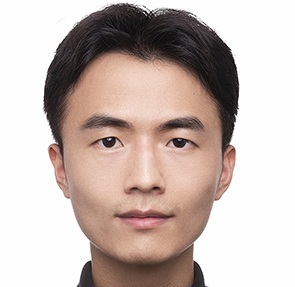
Jingwen Tong
Shenzhen University
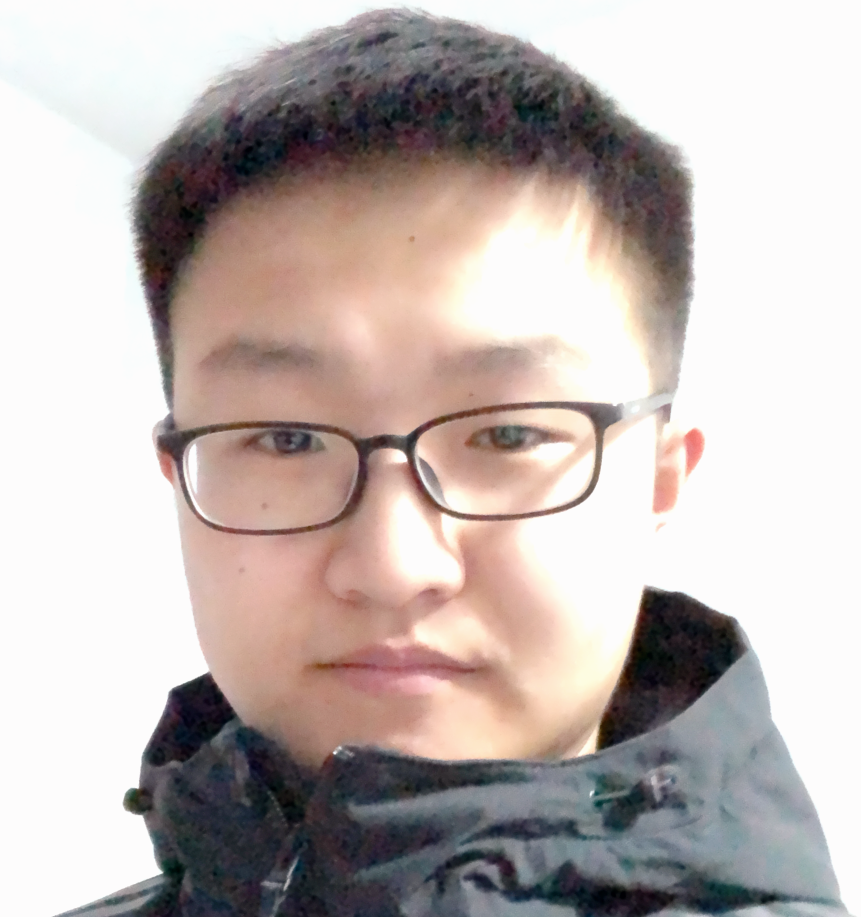
Hongyuan Zhang
The University of Hong Kong

Cheng Yuan
Institute of Artificial Intelligence (TeleAI), China Telecom

Jiangjing Hu
Institute of Artificial Intelligence (TeleAI), China Telecom
Schedule
TBD
Invited Speakers
TBD